The World of Ohr
A shattered creation — from genesis to ruin
Before the Fall
Ohr — the Elden word for "light" — is the name given to the world by those who first walked upon it. In the ages before recorded history, the Grey Times, the mortal races dwelt in the Forbidden East, a place now lost to all living memory. The Gods themselves refuse to speak of it. What is known is that millennia of suffering, hunger, and exclusion drove the mortal races westward in a legendary Exodus, led by seven divine champions, to the lands now called Ohrros.
In those early centuries, the world followed the rules set out for it at creation. Aith'na — the Dawn Soul — burned steadily overhead. The three moons, Somnus, Shal, and Tzem, traced their arcs through the Vault of Mirrors. And the mortal races, for a time, built something resembling civilization.
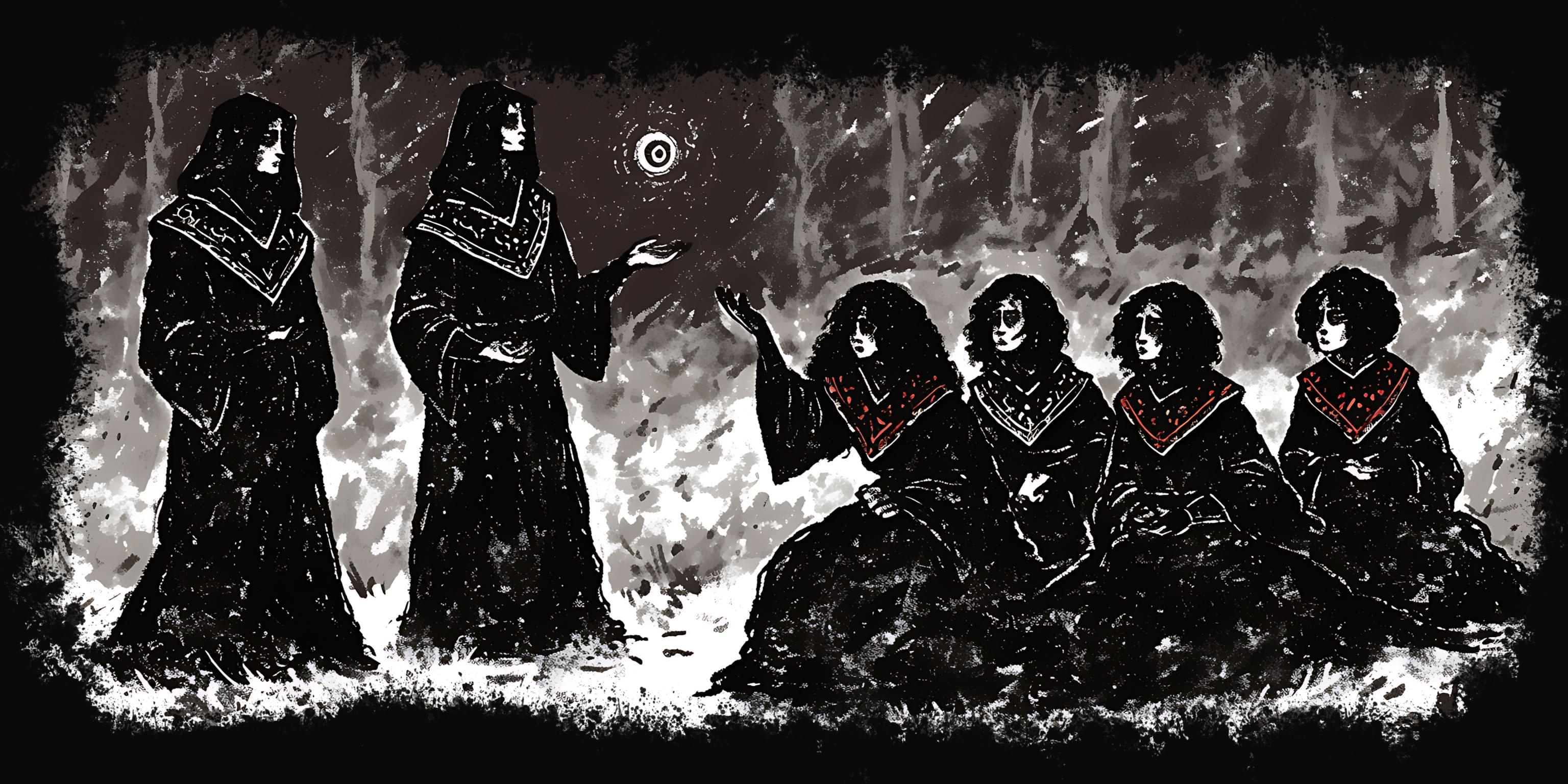
The champions who led the Exodus ascended to godhood after being bathed in the energies of the World Heart, deep within the Adamantine Mountain. From this single act, kingdoms were born: Andminas, the Foundry of Man. The Assai Empire, forged in a covenant with the goddess Uthra. The Stone Confederacy of the Dwarves. The Elven kingdom of Ist. The lost Harkon of Aurum. The Orkon tribes of Morga. Each carved its place into the world with blood, prayer, and iron.
The World Wound & the Seeds of Ruin
Long before the mortal races walked the earth, the cosmic entity Kor'nu — the Second Light — destroyed himself in a failed attempt to create beings equal to himself. His death seeded the galaxy with life, but it also tore a hole in the boundaries of reality constructed by the First Light. This rupture is known as the World Wound, and it is through this wound that the eldritch horrors of the Dreamer's Realm — the dwelling place of Azathoth — are able to bleed into the Waking World.
The residual energy of Kor'nu's death became Aether, the metaphysical essence that allows divine magic to function on Ohr. Aether is what the gods channel. It is what bathes the World Heart in power. But it is also a scar — a reminder that the fabric of reality was torn once, and can be torn again.
The World Wound festered. During the Time of Madness, a cold and unexplained eldritch mist swept across the continent, driving the mortal races to slaughter one another as monstrous Elder Spawn poured through the wound into the material world. Civilizations that had stood for centuries buckled under the weight of wars they could not understand.
The Fallen Kingdoms
The great civilizations born from the Exodus each rose — and each were tested to breaking. Andminas, the Foundry of Man, endured through the strength of its forge and the ruthless pragmatism of its Primarchs, eventually harnessing steam, combustion, and Aether itself. The Assai Empire, bound by blood-covenant to the war goddess Uthra, became a military juggernaut but was scarred by atrocity — most infamously the Night of Blood, when Empress Assai Lavi II opened her own city gates to the Elder Spawn and blamed the dwarves, igniting the First Great War.
The Stone Confederacy weathered civil war, divine madness, and betrayal from within. Their champion-god Tholdun, driven mad by the Long Dread, turned against his own allies. The Elves of Ist retreated into the Walking Wilds, preserving their cities with ancient Exodial magic and the Maelstrom Ward. The Harkon of Aurum — a people of scholars, poets, and mathematicians — were annihilated by Assai greed, their civilization destroyed by arcane singularity, their survivors scattered across the world in a vast diaspora. And the Orkon of Morga endured as they always had: bound by blood oath, guided by their ever-present god Onak, and united by the gathering of the clans.
These were the peoples of Ohr before everything burned. Their ruins are the bones of the world you now walk through.
The Ruination of Magick
The Black Book & the shattering of natural law
An Alien Imposition
Before the Night of the Vacant Throne, magic did not exist — not merely as the world knows it now, but at all. Arcanery was a theoretical exercise, a philosophical game played in meeting halls by societies that enjoyed dressing their social circles in eccentric trappings. It was fantasy. Conjecture. Nothing more.
When magic finally arrived, it came on the wings of nightmares.
Magic is not a mystical recipe its practitioners follow to casually reshape the world. It is the consequence of another reality — the Dreamer's Realm, an uncharted dimension of darkness and chaos — being imposed upon ours, causing the fabric of the Waking World to fracture. Every spell cast is, in essence, the opening of a temporary rift to this alien dimension, channeling its eldritch energies through the caster's will. The act demands immense focus and control, for the Dreamer's Realm is not merely a source of power — it is a conscious entity with its own insidious desires.
The Black Book
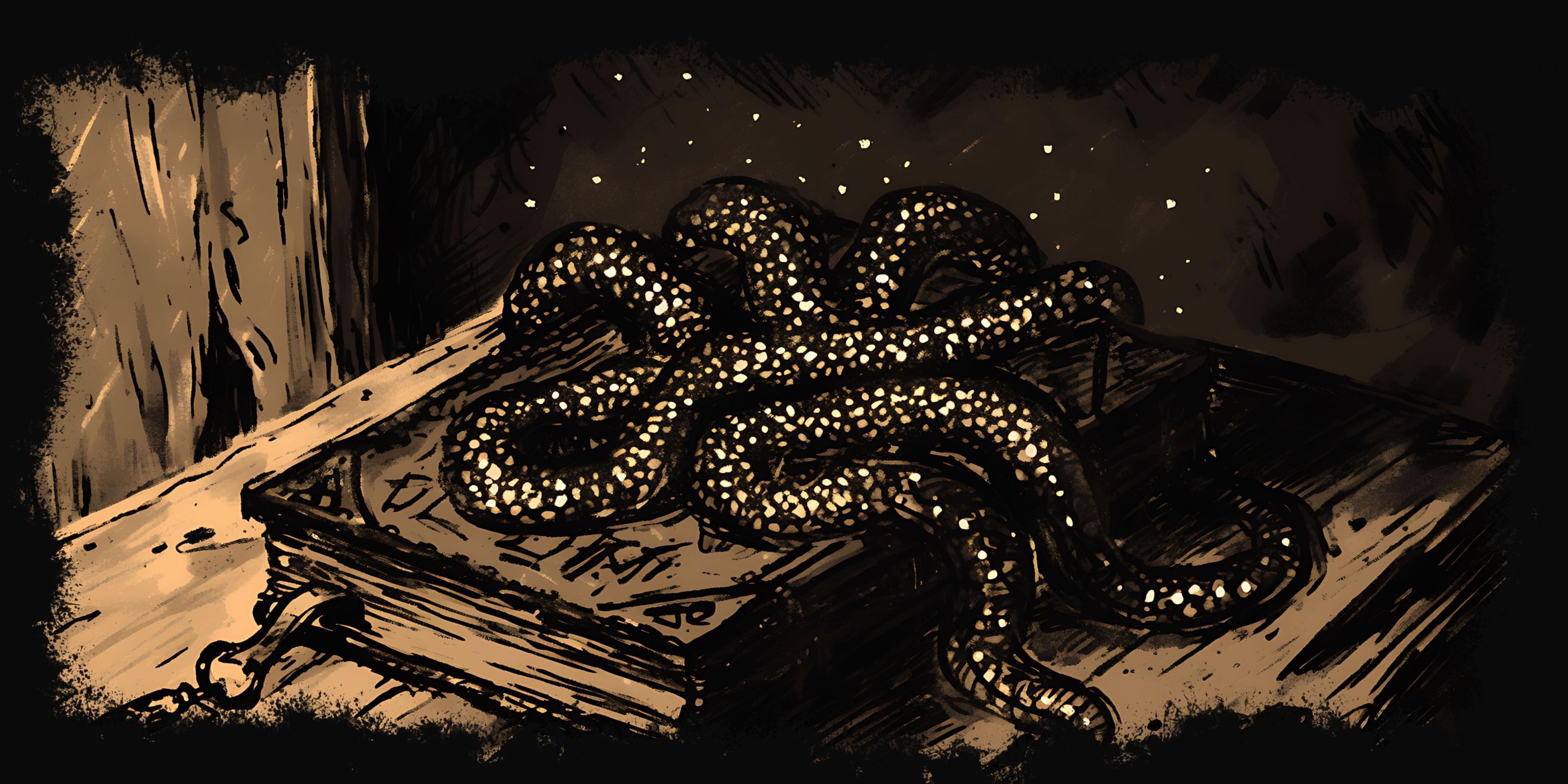
After the Night of the Vacant Throne, rumors spread of uncovered writings that allowed real power to be channeled through a dedicated practitioner and out into the world. These writings were collected in an utterly forbidden grimoire known as the Black Book — a tome with many speculated origins and no certain truth.
Some say the Book is a legitimately living, sentient entity — alien, conscious, and possessed of unknown and sinister purpose. Others claim it exists simultaneously across other times, other places, and other worlds, spreading its influence in the past, present, and future all at once. What is incontrovertible is that the following of its parsed and translated rituals has wrought unmistakable horror upon everything it touches.
Every spell cast brings Ayotha closer to a tremulous reality merged with that of wherever the grimoire truly came from. Even among the universally loathed practitioners of magic, all but the maddest recognize that this convergence would bode very, very poorly for the world and those living in it.
The Price of Knowledge
Most people do not understand the intricacies of magic. They do not need to. They know enough — they have heard enough rumors, seen enough pyres — to wish to stamp it out wherever it exists. People have been strung up, burned, tied and quartered, even tortured to death over days for the mere mention of witchcraft. This is the case through almost all true civilization on Ayotha.
There exist esoteric societies, occasional outposts, even whole races of people who feel differently about magic's place in the world. But these people are universally reviled as destroyers and corruptors of the highest order. They are ruthlessly hunted and slain by those who catch wind of them. Only in the vast, far reaches of the untamed world is this stance ever relaxed — and even then, it would still be a poor idea to reveal oneself. Fear is the most powerful motivator of violence.
The Slender Crown
The Night of the Vacant Throne & the Black Crusades
The Night of Sacrifice
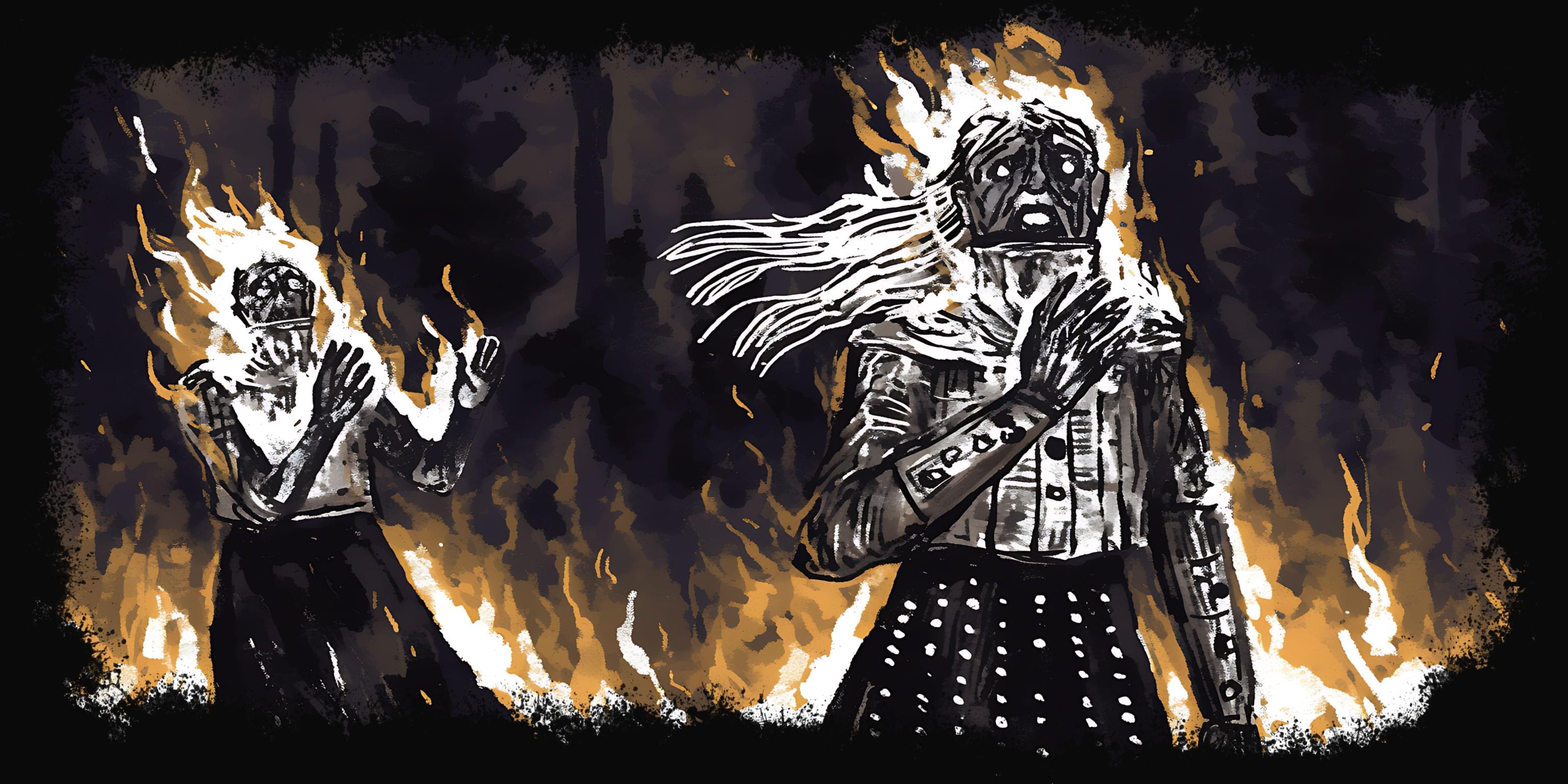
The Arkkadians were worshippers of flame, revering fire as the embodiment of their gods — Asherat the Mother of Men, Atar the Shaper, Oggun of the war-dance, and Ishum, the quiet god of the battlefield. The weeks leading up to the Night of the Vacant Throne were frenzied with preparation. Supplicants and slaves, chosen as sacrificial lambs, were led to great pyres where their screams echoed through the imperial cities as they were immolated alive. Their agonized pleas for mercy were drowned in the roaring blaze.
The devout priests of the Empire, their faces etched with zeal and grim determination, immersed themselves in the most intricate and sacred rituals their faith had ever demanded. On this destined night, kings, emperors, nobles, and their entire retinues gathered around the pyres. They set themselves, their families, and their servants ablaze in the name of their gods.
In the throes of their self-destruction, they raised their flaming hands toward the heavens, their voices rising in fervent prayer. They waited — their bodies writhing in fiery torment — for the arrival of their gods. Their cries tore at the fabric of the sky itself.
The Coming of the Slender Crown
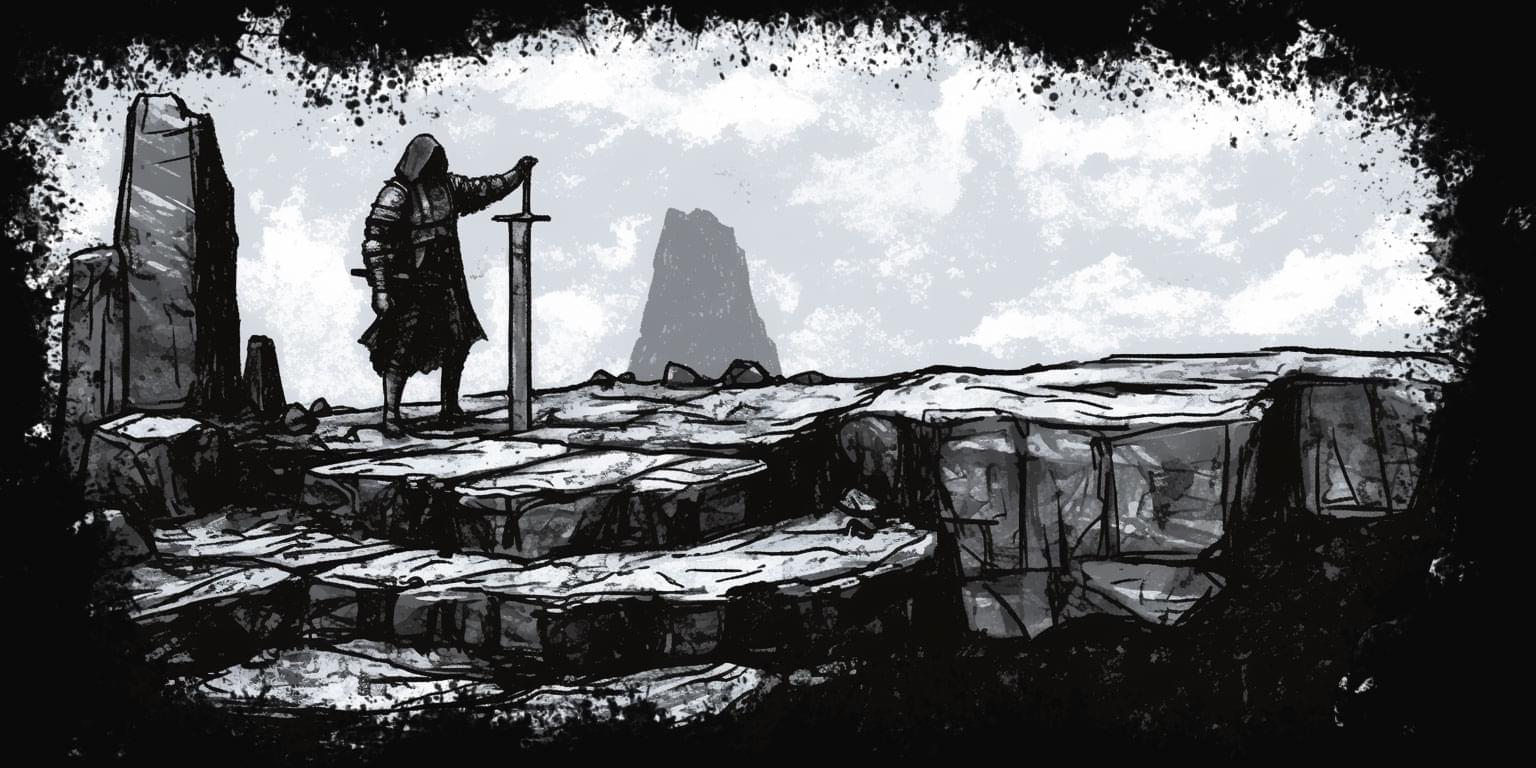
The heavens did not open to reveal the fire gods the Arkkadians had so zealously served. Instead, the sky shattered like a broken mirror, its jagged shards revealing an alien realm beyond comprehension. From this world wound, the Slender Crown emerged — its monstrous form a blasphemous mockery of their burning devotion. The gods they had served so faithfully had forsaken them, leaving their thrones vacant. In their stead stood an eldritch deity of such incomprehensible terror that the burning world seemed but a candle in comparison.
With the Slender Crown's arrival, the dreaded era of the Black Crusades began. The mighty Arkkadian Empire — once the bedrock of civilization — was the first to bear the brunt. Its resplendent cities were razed to the ground, its proud armies decimated, its people scattered. The empire fell, its flame extinguished, leaving a void filled by the cold winds of chaos and barbarism.
In the wake of the empire's destruction, Ayotha fractured. Noble houses crumbled into feudal fiefdoms. Monstrous races joined the Slender Crown's unholy crusade, sweeping across the continent with a ferocity that knew no bounds. Cities fell. Civilizations crumbled. The land was soaked with the blood of the fallen, the air filled with the screams of the dying, the sky shadowed by the smoke of burning homes.
A Hollow Victory
In their darkest hour, the mortal races found within themselves a desperate, animal resolve. Against all odds, they resisted. Their spirit of survival burned brighter than the fires that consumed their world. It was a bitter struggle, fraught with loss and despair beyond reckoning — but they fought on.
Their efforts would likely have ended in vain had the Slender Crown not vanished as suddenly and inexplicably as it had arrived. Some theorize it retreated to the Ghoul Croft — Nakramora — a labyrinthine network of ancient ruins and forgotten cities buried deep beneath the surface of Ayotha. Others postulate that it was undone by the very magics it once wielded. Regardless of its fate, the mortal races had not defeated the Slender Crown. They had merely outlasted it.
Their world was broken. Their societies fractured. Their people on the brink of despair. The Black Crusades had ended, but the shadow of the Slender Crown lingered — a haunting promise that what had come once could come again.
The Seven Omens
The plagues that haunt a broken world
Harbingers of Ruin
After the Slender Crown's mysterious disappearance, seven omens swept across the lands — each more terrifying than the last — serving as a grim testament to the world's broken state and the persistent threat of the Slender Crown's return.
The First Omen — The Long Dread: For decades, Aith'na was engulfed by the three moons of Ayotha — the Thieves of Light — robbing the land of the dawn's radiance. A merciless cold and an unending winter gripped the world. The divine champion Tholdun lost his mind during this darkness and turned upon his closest allies, shattering the last great alliance of the old world.
The Second Omen — The Weeping Stones: Monolithic structures of obsidian materialized seemingly overnight in fields and town centers, shedding tears of blood and causing the earth beneath them to wither and perish.
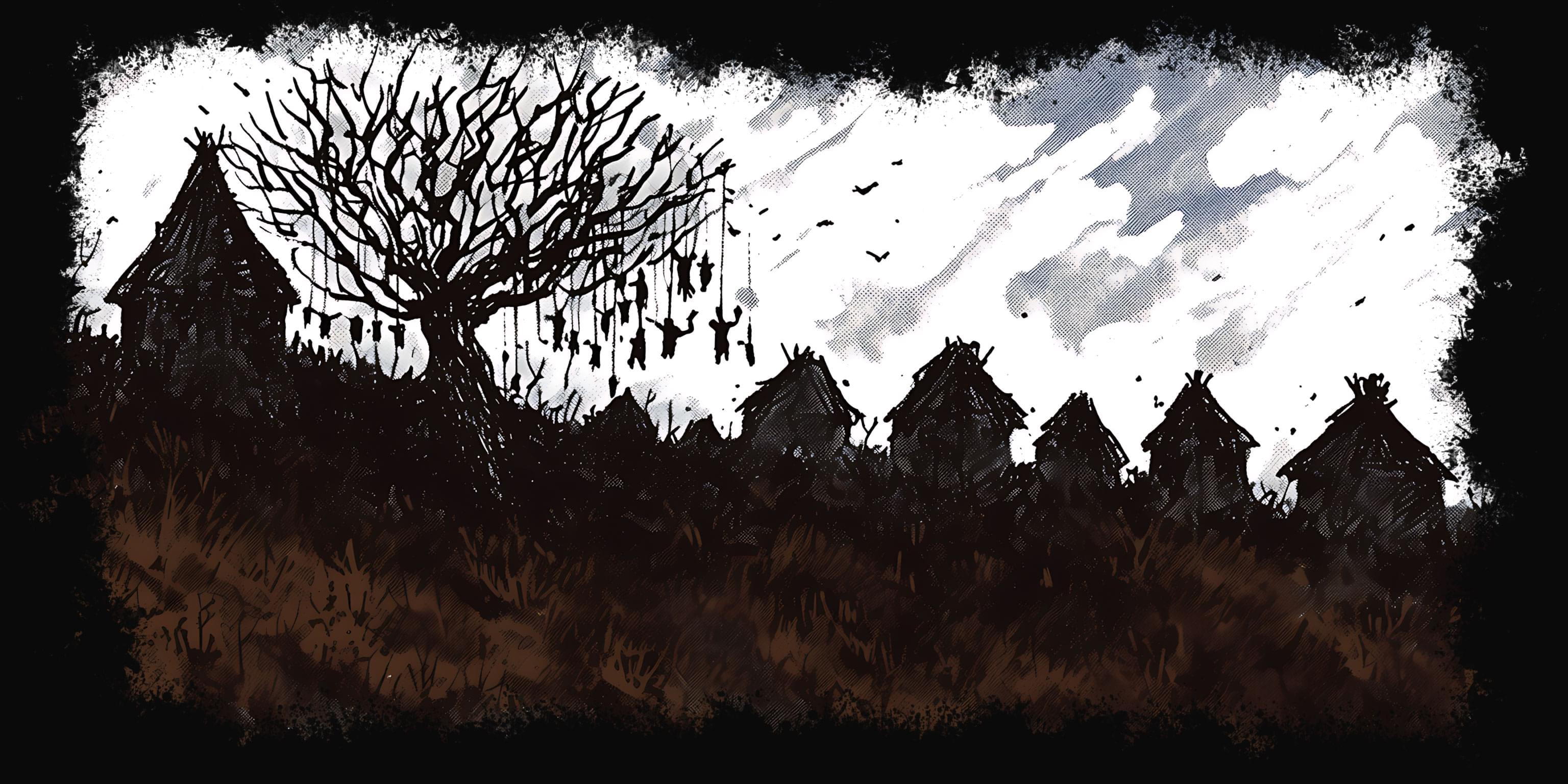
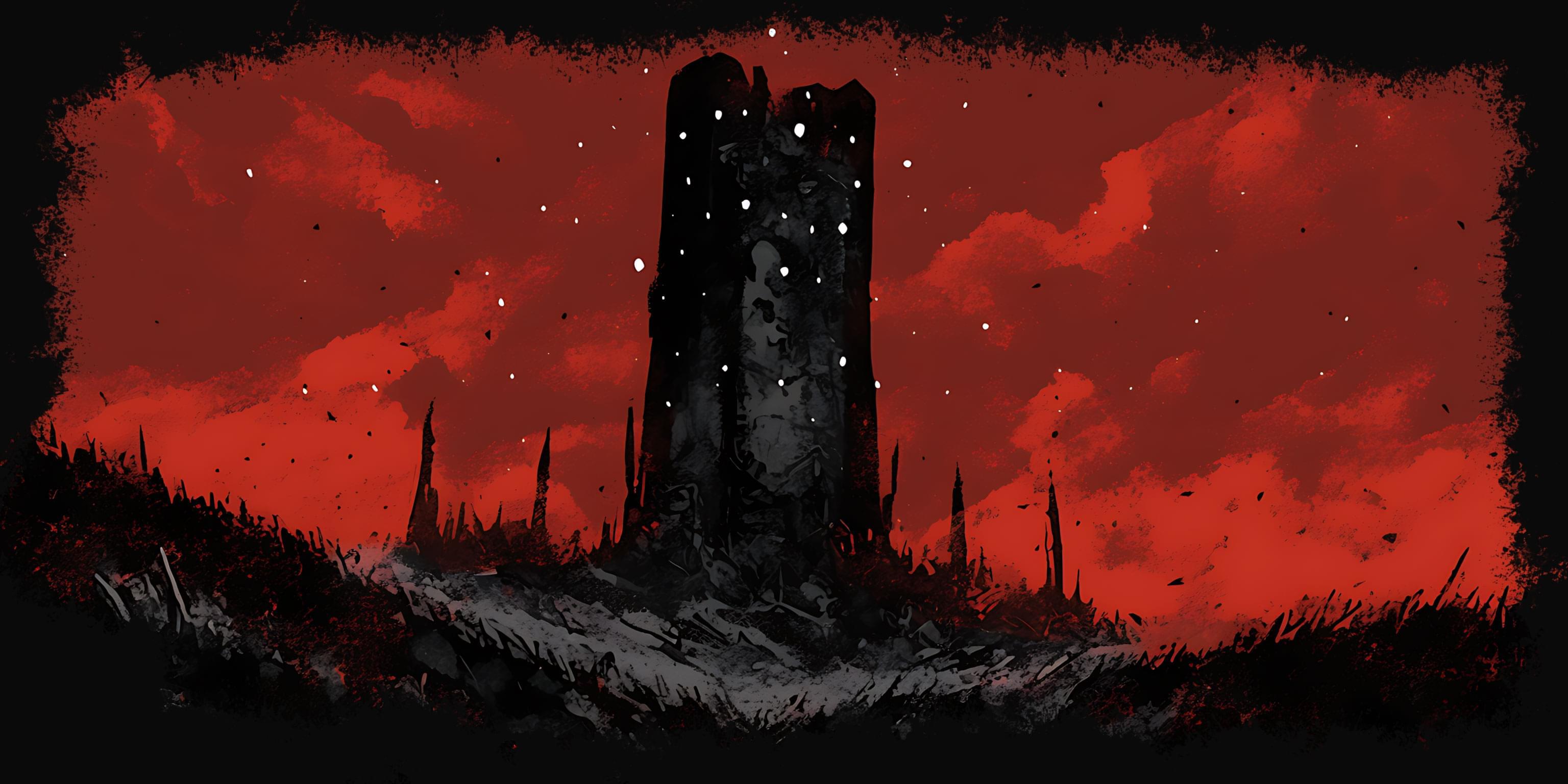
The Third Omen — The Wytch Towers: Tangible incarnations of nightmares from the Dreamer's Realm intruded upon the Waking World, manifesting as grotesque towers composed of teeth and alien matter, reflecting landscapes that no mortal eye was meant to see, echoing whispers of the past and future. These places are the very epitome of terror — and they still stand.
Fire, Silence, Mist, and Madness
The Fourth Omen — The Storm of Fire: A fierce and unnatural blaze rampaged across the land, swallowing cities and towns in its path, leaving only desolation and ruin in its wake. Where the flames touched living flesh, the Pyreborn were created — haunted figures, perpetually burning and screaming, wandering the scorched earth for eternity.
The Fifth Omen — The Silence: A lethal quiet pervaded the northernmost kingdoms. When all sound ceased, death would claim any who were present. The city of Athgard alone endured, guarded by devoted cults of bell-ringers whose ceaseless tolling kept the silence at bay.
The Sixth Omen — The Mists of Enlil: Cold mists swept over the oceans and lands of the known world. A formless, primordial force capable of driving anyone who entered into it utterly mad. Writhing shadows of alien monstrosities spewed forth from the mists and ravaged the lands. Now creatures from another world, another place, another time stalk the dark places of Ayotha.
The Seventh Omen — The Crimson Eye: Tzem's Fury. When the central moon loomed low in the sky, it cast a crimson hue over the land, inciting madness and despair in all who dared to look upon it. Some say the Eye still opens on certain nights, and that those who meet its gaze are never the same.
The Gods of Ayotha
Silent thrones, burning altars, and things that should not be worshipped
The Ogdoad — Petty Kingdom Gods
The Ogdoad are the primary pantheon of the Petty Kingdoms — eight gods who ascended in the aftermath of the Exodus and shaped the fledgling civilizations of Ohrros. Kythra, the Mother of Gods, promotes bountiful harvests and is depicted as a woman crowned in white lilies. Her twin sister Nythura, the Pale Lady, set the celestial bodies in motion and gifted Kythra the sun so that crops might grow.
Kyrenos the Great Hunter blessed the first wild stallions, creating the centaurs to guard his fields. Gaelyn the Trickster guides adventurers but despises arrogance, sending the egotistical to the edge of death as harsh lessons. Wenafar the Two-Faced Crone ushers the dead — beautiful maiden or eyeless hag, depending on her mood and your sins. Uthra, the Mother of Swords, holds a chalice of molten lava in one hand and a longsword in the other, her eyes pits of fire.
Balaam, the Prismatic King, manifests as a whirling zephyr, weaving residual energies in an endless attempt to bandage the World Wound. And Harmok, the silent silver wolf, keeps vigil over the Forbidden East — watching for what, no one can say.
Shaldrot's Children — Dark Gods of Eld
If the Ogdoad are distant, Shaldrot's Children are something far worse — abominations birthed from a progenitor of unfathomable evil, lingering in the void beyond reality. They have vanished from most written records, but their cults have not.
Ulrka'ruul, the Slumbering God, lies bound in chains of starlight and ancient magic. His cults are mad architects of forbidden rituals, each sacrifice an attempt to weaken his chains. Isthalilog, the Brood Mother, is a planet-sized spider whose sixteen legs command all intelligent evil arachnids in the world. Baur, the Strife Lord, stands at the center of unseen battlefields, and his worship hardens even the kindliest hearts until the thought of mercy simply ceases to exist.
Gwaed, the Blood King, is lord of all vampires — a gaunt horror with bat-wings and six-inch fangs whose most notable servants are the ancient house of Gravenwolf. And Arathag, the Cannibal God, grew addicted to the flesh of Shaldrot itself and now hungers eternally, worshipped by the cannibal tribes of the north.
The Throne That Lives — The Choir of Ruin
Perhaps the most disturbing of all divine powers is the Throne That Lives — a horrifying, majestic deity that embodies both monarchy's allure and the brutal treachery that claims it. The Throne is a living mass of entwined bones and metal, gnarled arms shaped from the remains of dead kings and defeated tyrants, blood and ichor dripping from its seat in a dark, heartbeat-like rhythm. Its face — if it can be called such — is a void within the backrest, occasionally manifesting as a crown suspended in shadow.
Its servants form the Choir of Ruin: Ivarr the Knife-Bearer, a gory assemblage of flesh and rusted iron with a crown nailed into his skull; Marasyn the Poisoned Chalice, veiled in spectral silk with serpentine limbs and eyes like pools of venomous green; the Black Witness, a looming wraith chained to an endless scroll of broken promises written in bleeding script; and Vaelen the Uncrowned, whose face never stays the same, shifting endlessly through the agonized visages of everyone he has ever betrayed.
The rulers who bow to the Throne speak of regaining stolen crowns and reviving lost empires. And yet — every king who takes its counsel leaves behind a kingdom turned to ash, subjects abandoned, legacies twisted beyond recognition. The Throne promises power. All who claim it merely feed its hunger for ruin.
The Current Age: Death
Six hundred years in the shadow of the return
A World That Refuses to Die
Six hundred years have passed since the onset of the Black Crusades, and Ayotha remains a land cloaked in darkness and shadowed by fear. The Slender Crown's vanishing brought not a restoration but a sustained struggle — a fight not against a visible enemy but against the chaotic remnants of a war long past and the dread of a war yet to come.
The onset of the Seven Omens drove the battered inhabitants of Ayotha into vast migrations. Kingdoms and fiefdoms turned on each other in desperate attempts to find safer grounds, away from the Weeping Stones, the Wytch Towers, and the dead silence that killed without warning. The rule of law, already frail in the wake of the Black Crusades, crumbled entirely — replaced by anarchy, fear, and a brutal feudal order built on suspicion.
Magic — once a subject of academic debate and philosophical conjecture — had been revealed as a horrifying reality, an unwelcome echo of the Slender Crown's reign. This fear birthed ruthless witch hunters, relentless in their mission to eradicate those who dared wield power from the Dreamer's Realm. The mere whisper of witchcraft is enough to spark a brutal hunt, and the roads are littered with the bodies of the accused.
Monstrous entities — remnants of the Slender Crown's legions — lurk in the shadows. They haunt the ruins of old cities, prowl the wild frontiers, and stalk the labyrinthine tunnels of Nakramora beneath the earth, preying on the weak and the lost. Brigands and bandits exploit the lawlessness for their own gain, making travel between settlements a perilous gamble.
And yet, in their struggle, the mortal races of Ayotha find something that refuses to break. They live in the ruins of their past glory, holding onto a thin thread of hope, forging their path through the darkness one step at a time. They are not heroes. They are survivors. And in this age, that is enough.
Step Into Ayotha
Ayotha does not need heroes. It needs survivors — people stubborn enough to hold a torch when everything in the dark wants it extinguished. Join our table, step into a world of eldritch horror, fractured kingdoms, and desperate choices where nothing is guaranteed except that the darkness is always watching.